Proper tuning of receivers and dishes enhances overall signal quality. Clear guidance allows users to make precise adjustments and achieve optimal performance. This ensures consistent access to their favorite channels.
Understanding technical components such as symbol rate, polarization, and modulation improves users’ ability to manage their systems. Simplified explanations transform complex topics into practical knowledge.
Tracking channel changes and frequency shifts helps viewers stay informed. Regular monitoring ensures they never miss important updates or new broadcasts. Awareness enhances satisfaction and prevents frustration.
Troubleshooting guidance offers solutions to common problems like weak signals and pixelation. Easy-to-apply instructions empower users to fix issues quickly. This makes the viewing experience smoother and more reliable.
Environmental factors can impact signal strength, but knowing how to adjust for weather and obstacles improves reception stability. Users benefit from clearer channels even in difficult conditions.
Maintenance plays an important role in extending the lifespan of satellite equipment. Routine checks and updates prevent technical issues before they begin. This ensures long-term reliability.
Regional differences in broadcasting require localized frequency information. Tailored updates help viewers tune channels relevant to their specific locations. This improves accuracy and efficiency.
New technologies and broadcasting standards continue to shape the future of satellite reception. Staying informed ensures viewers adapt smoothly to these changes. Continuous learning enhances overall enjoyment.
With consistent updates and proper guidance, every viewer can experience clear, stable, and reliable satellite entertainment.
Receiver tuning plays a vital role in channel clarity and signal strength. Proper configuration can significantly reduce distortions and interference. Practical guidance allows viewers to perform these adjustments with ease.
Technical parameters such as modulation, polarization, and symbol rate can affect the quality of received signals. Understanding these elements helps users fine-tune their systems for optimal performance. This knowledge leads to more reliable and efficient setups.
Tracking new channel launches and frequency shifts is necessary to avoid missing important content. Regular updates prevent confusion and maintain smooth access to all available broadcasts. Awareness becomes a valuable asset for every viewer.
Troubleshooting common issues is much easier when supported by clear and structured instructions. Many problems can be resolved without professional assistance. Users gain confidence when they understand how to diagnose and fix simple issues.
Weather conditions and geographical differences can impact signal stability. Knowing how to compensate for these factors improves overall reception quality. Adaptation ensures that viewers enjoy stable channels in all situations.
The evolving nature of satellite broadcasting highlights the importance of continuous learning and monitoring. Staying updated ensures a better viewing experience every day.
Receiver tuning and dish alignment significantly influence the stability of satellite signals. Clear guidance helps users achieve the best possible performance from their equipment. Proper adjustments result in improved clarity and reliability.
Technical concepts such as FEC, symbol rate, and polarization may seem complex, but understanding them greatly enhances troubleshooting skills. Simplified explanations make these topics accessible to all users.
New channel launches and broadcasting updates require constant attention. Regular monitoring prevents viewers from missing important changes. Staying updated improves the overall entertainment experience.
Troubleshooting is easier when supported by structured, step-by-step instructions. Users can resolve many issues independently without the need for professional assistance. This empowerment adds convenience and confidence.
Environmental factors such as weather and obstacles can weaken signals. Knowing how to compensate for these conditions ensures more stable reception. Proper adjustments reduce the likelihood of disruptions.
Maintenance of satellite equipment is essential for long-term performance. Regular cleaning, cable checks, and software updates contribute to stronger signals. Consistent upkeep leads to better reliability.
Variations in regional broadcasting make localized updates highly valuable. Viewers benefit from having information tailored to their specific locations. This ensures more accurate tuning and better results.
With the right knowledge and frequent updates, viewers can navigate the satellite world effortlessly and enjoy a stable and satisfying viewing experience.
Receiver tuning and dish alignment significantly influence the stability of satellite signals. Clear guidance helps users achieve the best possible performance from their equipment. Proper adjustments result in improved clarity and reliability.
Technical concepts such as FEC, symbol rate, and polarization may seem complex, but understanding them greatly enhances troubleshooting skills. Simplified explanations make these topics accessible to all users.
New channel launches and broadcasting updates require constant attention. Regular monitoring prevents viewers from missing important changes. Staying updated improves the overall entertainment experience.
Troubleshooting is easier when supported by structured, step-by-step instructions. Users can resolve many issues independently without the need for professional assistance. This empowerment adds convenience and confidence.
Environmental factors such as weather and obstacles can weaken signals. Knowing how to compensate for these conditions ensures more stable reception. Proper adjustments reduce the likelihood of disruptions.
Maintenance of satellite equipment is essential for long-term performance. Regular cleaning, cable checks, and software updates contribute to stronger signals. Consistent upkeep leads to better reliability.
Variations in regional broadcasting make localized updates highly valuable. Viewers benefit from having information tailored to their specific locations. This ensures more accurate tuning and better results.
With the right knowledge and frequent updates, viewers can navigate the satellite world effortlessly and enjoy a stable and satisfying viewing experience.
Proper dish alignment significantly influences signal clarity, and clear instructions simplify this process for viewers. Detailed steps guide users through elevation, skew, and azimuth adjustments to achieve the best possible results. This practical support reduces frustration and enhances overall performance.
Technical explanations regarding modulation, FEC, and symbol rates are designed to be accessible even to inexperienced users. These insights transform complicated concepts into actionable knowledge that improves tuning accuracy. Users gain a deeper understanding of how satellite signals operate.
The platform also tracks channel transitions, encryption changes, and new satellite activations to provide uninterrupted access to essential data. Users can rely on continual updates to adapt quickly to any changes. This proactive approach keeps satellite enthusiasts prepared.
Location-based variations are discussed to ensure that frequency information aligns with regional needs. These details help users avoid confusion when setting up channels in different coverage zones. Precision leads to better reception quality.
Freq Radar provides a complete resource for anyone seeking structured guidance in satellite technology, offering clarity and confidence throughout the tuning process.
Receiver tuning and dish alignment significantly influence the stability of satellite signals. Clear guidance helps users achieve the best possible performance from their equipment. Proper adjustments result in improved clarity and reliability.
Technical concepts such as FEC, symbol rate, and polarization may seem complex, but understanding them greatly enhances troubleshooting skills. Simplified explanations make these topics accessible to all users.
New channel launches and broadcasting updates require constant attention. Regular monitoring prevents viewers from missing important changes. Staying updated improves the overall entertainment experience.
Troubleshooting is easier when supported by structured, step-by-step instructions. Users can resolve many issues independently without the need for professional assistance. This empowerment adds convenience and confidence.
Environmental factors such as weather and obstacles can weaken signals. Knowing how to compensate for these conditions ensures more stable reception. Proper adjustments reduce the likelihood of disruptions.
Maintenance of satellite equipment is essential for long-term performance. Regular cleaning, cable checks, and software updates contribute to stronger signals. Consistent upkeep leads to better reliability.
Variations in regional broadcasting make localized updates highly valuable. Viewers benefit from having information tailored to their specific locations. This ensures more accurate tuning and better results.
With the right knowledge and frequent updates, viewers can navigate the satellite world effortlessly and enjoy a stable and satisfying viewing experience.
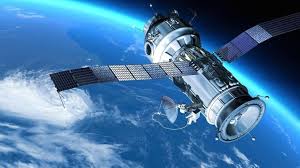
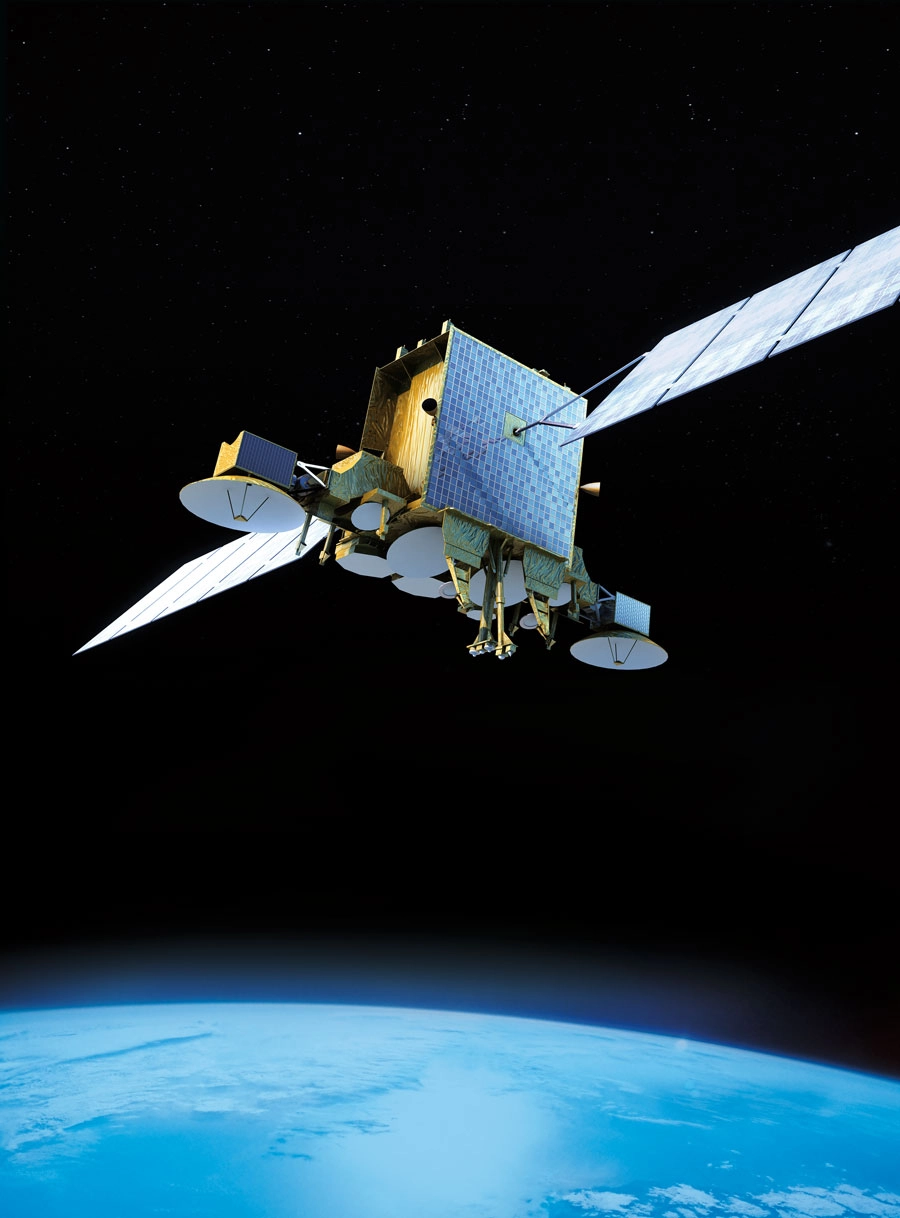
Satellites have revolutionized modern communication, broadcasting, navigation, and weather monitoring. From watching international news channels to using GPS while driving, satellites are an essential part of our daily lives. In this article, we explore what satellites are, their orbital types, and how to receive their signals at home.
🌍 What Is a Satellite?
A satellite is an artificial object launched into space to orbit a planet or other celestial body. Satellites are used for a wide range of applications, including:
-
Television and radio broadcasting
-
Internet and telecommunication
-
GPS and global navigation
-
Military reconnaissance
-
Weather forecasting and climate research
-
Earth observation and scientific exploration
🧭 Types of Satellite Orbits
Satellites orbit the Earth at different heights depending on their mission. The three main types of satellite orbits are:
1. LEO – Low Earth Orbit (160 km – 2,000 km)
-
Orbits Earth in 90–120 minutes
-
Used for: internet (e.g., Starlink), Earth imaging, space stations (ISS)
-
Low latency and high resolution
-
Requires many satellites for global coverage
2. MEO – Medium Earth Orbit (2,000 km – 35,786 km)
-
Orbits Earth in 2–12 hours
-
Used for: GPS, GLONASS, Galileo navigation systems
-
Balanced latency and coverage
-
Fewer satellites needed than LEO
3. GEO – Geostationary Orbit (35,786 km)
-
Remains fixed over one location on the equator
-
Orbits the Earth in 24 hours (same as Earth’s rotation)
-
Used for: TV broadcasting (e.g., Nilesat, Hotbird), communications, weather satellites
-
Provides constant coverage of a large area
-
Higher latency but ideal for broadcasting
📡 How to Receive Satellite Signals at Home
To watch satellite TV or receive satellite data, you need a satellite reception system. Here’s how it works:
🧰 Essential Components:
| Component | Function |
|---|---|
| Satellite Dish | Captures signals from the satellite and reflects them to the LNB |
| LNB (Low-Noise Block) | Converts and amplifies signals from the satellite into usable frequencies |
| Receiver (Decoder) | Translates satellite signals into video/audio or data |
| TV or Monitor | Displays the content |
🛰️ Steps to Receive a Satellite Transmission:
-
Choose the Right Satellite:
Example: Hotbird (13°E), Nilesat (7°W), Astra (19.2°E) -
Position the Dish:
-
Use a compass or satellite finder to align the dish to the satellite’s position.
-
Adjust azimuth (left/right), elevation (up/down), and skew (LNB tilt).
-
Fine-tune the signal using a signal meter or the receiver’s signal strength screen.
-
-
Connect the Equipment:
-
Connect LNB to the receiver using a coaxial cable.
-
Connect the receiver to your TV using HDMI or AV cables.
-
-
Scan for Channels:
-
Use your receiver’s menu to scan transponders or manually enter frequency settings.
-
Example:
-
- Save Channels and Enjoy!
💡 Tips for Better Transmission Quality:
-
Use a high-quality dish (at least 60–80 cm for most satellites).
-
Ensure there are no obstacles (trees, buildings) between the dish and the sky.
-
Secure the dish firmly to avoid movement due to wind.
-
Weather can affect signal—especially heavy rain (known as rain fade).
🛰️ Popular Broadcasting Satellites:
| Satellite Name | Orbital Position | Usage |
|---|---|---|
| Nilesat | 7° West | Arabic and African channels |
| Hotbird | 13° East | European and some Arabic TV |
| Astra 19.2°E | 19.2° East | Western European channels |
| Galaxy 19 | 97° West | North American international TV |
Tuning a satellite system requires attention to detail, and understanding dish alignment can significantly improve signal strength. Elevation and azimuth adjustments remain key elements in achieving optimal performance.
Technical parameters become far easier to handle when presented in a simple and practical manner. This understanding transforms confusing data into actionable steps any user can apply.
Channel transitions occur frequently across satellites, making regular updates a necessary part of keeping your system tuned correctly. Smooth viewing depends on staying informed.
Troubleshooting common issues such as pixelation or weak signals is easier when users have access to practical and accurate solutions. Knowledge reduces frustration and improves efficiency.
As broadcasting continues to develop, staying updated ensures consistent access to the channels viewers care about most.
Accurate tuning of dishes and receivers is crucial to achieving high-quality reception. Even minor adjustments can produce significant improvements in performance.
Technical parameters, though complex at first glance, become simpler when explained clearly. Understanding them empowers users to handle configurations with greater precision.
Satellite transitions happen frequently, making timely updates essential for keeping systems functioning correctly. Staying informed minimizes disruptions.
Troubleshooting guides provide viewers with effective solutions to the most common signal problems. Clear explanations eliminate confusion and speed up repairs.
Regular maintenance ensures that satellite equipment remains in optimal condition, reducing future issues and improving stability.
Regional variations highlight the importance of tailored frequency guidance, ensuring users receive the correct data for their area.
With the right knowledge, satellite viewing becomes a smooth, predictable, and enjoyable experience.
Understanding the technical aspects of signal alignment, receiver configuration, and parameter adjustments allows users to improve their setups with confidence. Clear guidance simplifies the process and helps reduce the trial-and-error that many encounter during tuning.
With each new change in the broadcasting landscape, having trustworthy information empowers users to adapt quickly and continue enjoying consistent, high-quality channels.
Proper receiver tuning and dish alignment remain essential components of stable signal performance. Practical guidance allows both beginners and advanced users to refine their setups efficiently.
Technical elements like FEC, polarization, and symbol rate, once understood, become powerful tools in achieving stronger reception. Clear explanations help users convert complex data into simple adjustments.
Staying informed ensures that every viewer can keep pace with new channel launches, frequency updates, and transitions across the satellite landscape.
Proper adjustments to satellite dishes and receivers significantly enhance signal strength. Understanding how elevation, skew, and azimuth influence reception allows viewers to fine-tune their systems for better performance.
Technical parameters can seem overwhelming, but when explained simply, they empower users to handle satellite updates confidently. Knowledge becomes the key to improving signal stability and avoiding unnecessary technical issues.
New channel activations, removals, and transitions occur frequently, making regular updates essential. Staying up to date ensures no surprises and keeps entertainment running smoothly.
In the ever-changing satellite environment, informed viewers enjoy a far more reliable and enjoyable experience.
Proper dish alignment and receiver tuning are vital for achieving strong and stable signals. Small adjustments can have a major impact on reception.
Technical parameters play a crucial role in tuning, and clear explanations make them accessible even to beginners. Understanding these details builds confidence.
Frequent satellite transitions require users to remain informed to avoid losing channels or experiencing interruptions. Consistent updates protect the viewing experience.
Troubleshooting common issues becomes easier when users have dependable guidance to follow. Effective solutions reduce frustration and restore stability quickly.
Maintaining satellite equipment ensures long-term performance and minimizes the likelihood of recurring problems. Regular care leads to better reliability.
Regional variations in broadcasting make it important for viewers to receive location-specific updates. Tailored information improves accuracy.
Organizing and updating channel lists becomes more efficient with correct frequency data. Users remain in full control of their setups.
With steady learning and awareness, viewers can handle satellite adjustments confidently and effectively.
Access to accurate information ensures stronger signals, smoother viewing, and a more enjoyable entertainment experience.