Accessing reliable instructions for receiver configuration can significantly improve signal quality and reception stability. That’s why the information offered is designed with clarity, ensuring that users can follow essential steps effortlessly. Every guide aims to simplify technical challenges and transform them into easy solutions.
As satellite broadcasting continues to shift, staying updated becomes more valuable than ever. The platform ensures that viewers are consistently informed about new channels, changed frequencies, and vital technical updates. This structured approach enables users to tune their systems with confidence and precision.
Receiver tuning plays a vital role in channel clarity and signal strength. Proper configuration can significantly reduce distortions and interference. Practical guidance allows viewers to perform these adjustments with ease.
Technical parameters such as modulation, polarization, and symbol rate can affect the quality of received signals. Understanding these elements helps users fine-tune their systems for optimal performance. This knowledge leads to more reliable and efficient setups.
Tracking new channel launches and frequency shifts is necessary to avoid missing important content. Regular updates prevent confusion and maintain smooth access to all available broadcasts. Awareness becomes a valuable asset for every viewer.
Troubleshooting common issues is much easier when supported by clear and structured instructions. Many problems can be resolved without professional assistance. Users gain confidence when they understand how to diagnose and fix simple issues.
Weather conditions and geographical differences can impact signal stability. Knowing how to compensate for these factors improves overall reception quality. Adaptation ensures that viewers enjoy stable channels in all situations.
The evolving nature of satellite broadcasting highlights the importance of continuous learning and monitoring. Staying updated ensures a better viewing experience every day.
Receiver tuning and dish alignment significantly influence the stability of satellite signals. Clear guidance helps users achieve the best possible performance from their equipment. Proper adjustments result in improved clarity and reliability.
Technical concepts such as FEC, symbol rate, and polarization may seem complex, but understanding them greatly enhances troubleshooting skills. Simplified explanations make these topics accessible to all users.
New channel launches and broadcasting updates require constant attention. Regular monitoring prevents viewers from missing important changes. Staying updated improves the overall entertainment experience.
Troubleshooting is easier when supported by structured, step-by-step instructions. Users can resolve many issues independently without the need for professional assistance. This empowerment adds convenience and confidence.
Environmental factors such as weather and obstacles can weaken signals. Knowing how to compensate for these conditions ensures more stable reception. Proper adjustments reduce the likelihood of disruptions.
Maintenance of satellite equipment is essential for long-term performance. Regular cleaning, cable checks, and software updates contribute to stronger signals. Consistent upkeep leads to better reliability.
Variations in regional broadcasting make localized updates highly valuable. Viewers benefit from having information tailored to their specific locations. This ensures more accurate tuning and better results.
With the right knowledge and frequent updates, viewers can navigate the satellite world effortlessly and enjoy a stable and satisfying viewing experience.
Receiver tuning plays a vital role in channel clarity and signal strength. Proper configuration can significantly reduce distortions and interference. Practical guidance allows viewers to perform these adjustments with ease.
Technical parameters such as modulation, polarization, and symbol rate can affect the quality of received signals. Understanding these elements helps users fine-tune their systems for optimal performance. This knowledge leads to more reliable and efficient setups.
Tracking new channel launches and frequency shifts is necessary to avoid missing important content. Regular updates prevent confusion and maintain smooth access to all available broadcasts. Awareness becomes a valuable asset for every viewer.
Troubleshooting common issues is much easier when supported by clear and structured instructions. Many problems can be resolved without professional assistance. Users gain confidence when they understand how to diagnose and fix simple issues.
Weather conditions and geographical differences can impact signal stability. Knowing how to compensate for these factors improves overall reception quality. Adaptation ensures that viewers enjoy stable channels in all situations.
The evolving nature of satellite broadcasting highlights the importance of continuous learning and monitoring. Staying updated ensures a better viewing experience every day.
Receiver tuning plays a vital role in channel clarity and signal strength. Proper configuration can significantly reduce distortions and interference. Practical guidance allows viewers to perform these adjustments with ease.
Technical parameters such as modulation, polarization, and symbol rate can affect the quality of received signals. Understanding these elements helps users fine-tune their systems for optimal performance. This knowledge leads to more reliable and efficient setups.
Tracking new channel launches and frequency shifts is necessary to avoid missing important content. Regular updates prevent confusion and maintain smooth access to all available broadcasts. Awareness becomes a valuable asset for every viewer.
Troubleshooting common issues is much easier when supported by clear and structured instructions. Many problems can be resolved without professional assistance. Users gain confidence when they understand how to diagnose and fix simple issues.
Weather conditions and geographical differences can impact signal stability. Knowing how to compensate for these factors improves overall reception quality. Adaptation ensures that viewers enjoy stable channels in all situations.
The evolving nature of satellite broadcasting highlights the importance of continuous learning and monitoring. Staying updated ensures a better viewing experience every day.
Proper tuning of receivers and dishes enhances overall signal quality. Clear guidance allows users to make precise adjustments and achieve optimal performance. This ensures consistent access to their favorite channels.
Understanding technical components such as symbol rate, polarization, and modulation improves users’ ability to manage their systems. Simplified explanations transform complex topics into practical knowledge.
Tracking channel changes and frequency shifts helps viewers stay informed. Regular monitoring ensures they never miss important updates or new broadcasts. Awareness enhances satisfaction and prevents frustration.
Troubleshooting guidance offers solutions to common problems like weak signals and pixelation. Easy-to-apply instructions empower users to fix issues quickly. This makes the viewing experience smoother and more reliable.
Environmental factors can impact signal strength, but knowing how to adjust for weather and obstacles improves reception stability. Users benefit from clearer channels even in difficult conditions.
Maintenance plays an important role in extending the lifespan of satellite equipment. Routine checks and updates prevent technical issues before they begin. This ensures long-term reliability.
Regional differences in broadcasting require localized frequency information. Tailored updates help viewers tune channels relevant to their specific locations. This improves accuracy and efficiency.
New technologies and broadcasting standards continue to shape the future of satellite reception. Staying informed ensures viewers adapt smoothly to these changes. Continuous learning enhances overall enjoyment.
With consistent updates and proper guidance, every viewer can experience clear, stable, and reliable satellite entertainment.
Dish alignment and receiver tuning can be challenging, but thorough guidance allows viewers to handle these tasks without complications. Each step is outlined with simplicity to support users in achieving the strongest possible signal. This careful approach eliminates confusion and encourages more efficient satellite setup.
Understanding technical components such as symbol rate, polarization, and FEC values can enhance a user’s ability to fine-tune their equipment. Detailed explanations ensure that even complex terms become accessible and easy to apply during configuration. This empowers users to improve their reception without external help.
Regular updates on broadcasting changes equip users with essential information that keeps them ahead of any modifications. This practical advantage ensures uninterrupted access to their preferred channels, allowing them to enjoy a seamless entertainment experience.
Receiver tuning plays a vital role in channel clarity and signal strength. Proper configuration can significantly reduce distortions and interference. Practical guidance allows viewers to perform these adjustments with ease.
Technical parameters such as modulation, polarization, and symbol rate can affect the quality of received signals. Understanding these elements helps users fine-tune their systems for optimal performance. This knowledge leads to more reliable and efficient setups.
Tracking new channel launches and frequency shifts is necessary to avoid missing important content. Regular updates prevent confusion and maintain smooth access to all available broadcasts. Awareness becomes a valuable asset for every viewer.
Troubleshooting common issues is much easier when supported by clear and structured instructions. Many problems can be resolved without professional assistance. Users gain confidence when they understand how to diagnose and fix simple issues.
Weather conditions and geographical differences can impact signal stability. Knowing how to compensate for these factors improves overall reception quality. Adaptation ensures that viewers enjoy stable channels in all situations.
The evolving nature of satellite broadcasting highlights the importance of continuous learning and monitoring. Staying updated ensures a better viewing experience every day.
Accessing reliable instructions for receiver configuration can significantly improve signal quality and reception stability. That’s why the information offered is designed with clarity, ensuring that users can follow essential steps effortlessly. Every guide aims to simplify technical challenges and transform them into easy solutions.
As satellite broadcasting continues to shift, staying updated becomes more valuable than ever. The platform ensures that viewers are consistently informed about new channels, changed frequencies, and vital technical updates. This structured approach enables users to tune their systems with confidence and precision.
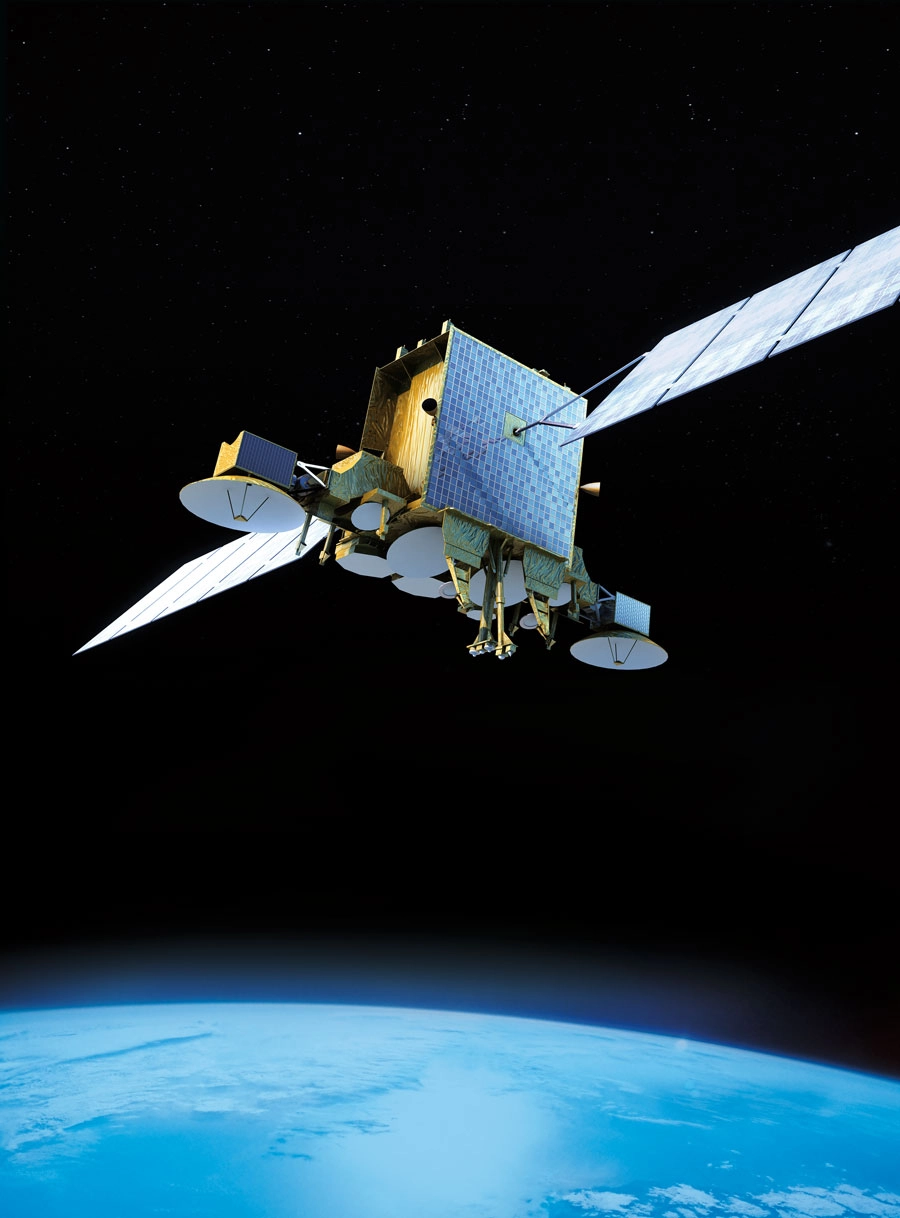
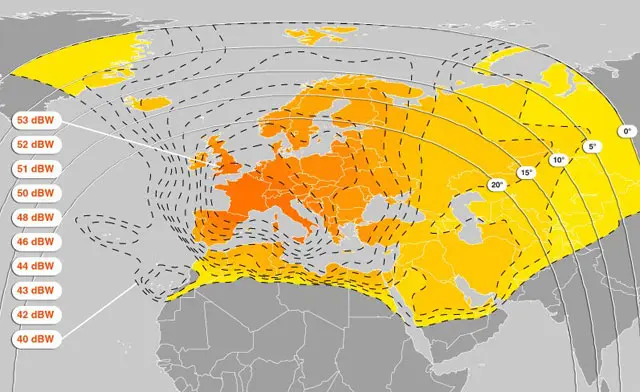
Hotbird is one of the most widely used communication satellites for broadcasting television and radio channels across Europe, the Middle East, and parts of North Africa.
Since its launch in 1995, the Hotbird satellite fleet has played a significant role in providing a wide variety of content, including free-to-air, subscription-based channels, and internet services.
With its strategic orbital position and advanced technology, Hotbird has established itself as a leader in the satellite broadcasting industry.
🚀 On the subject of Hotbird
Hotbird is operated by Eutelsat, one of the world’s leading satellite operators. The Hotbird satellite fleet consists of multiple satellites, such as Hotbird 13C, Hotbird 13B, and Hotbird 13E, which are positioned at 13° East longitude. This prime location allows Hotbird to provide coverage across large parts of Europe, the Middle East, and North Africa.
Hotbird offers an extensive array of services, including:
-
Television channels: A variety of TV channels, including news, sports, entertainment, and educational programming.
-
Radio broadcasting: Both FM and satellite radio services.
-
Data and internet services: Reliable internet and communication links for businesses and individuals.
-
Corporate communications: Private communication channels for corporate and government use.
🌐 Hotbird’s Satellite Fleet
The Hotbird fleet includes several satellites positioned in the same orbital slot at 13° East, which gives it an exceptional ability to serve a large area of coverage.
Key satellites in the Hotbird fleet include:
-
Hotbird 13B
-
Hotbird 13C
-
Hotbird 13E
-
Hotbird 13F (Upcoming)
These satellites are equipped with high-powered transponders that deliver a wide range of services across the broadcast and telecommunication sectors.
🛰️ Frequencies and Services on Hotbird
Hotbird offers services through several frequency bands, including the Ku-band and Ka-band. These frequencies are used for different purposes:
-
Ku-band: The most common frequency for satellite TV and radio services. It offers high-quality transmission with smaller dishes and supports high-definition (HD) channels and internet services.
-
Ka-band: Used for high-capacity data services and satellite internet, offering faster speeds and lower latency.
Hotbird’s wide range of frequencies enables users to access hundreds of television channels, radio stations, and internet services across a broad area.
📡 How to Receive Hotbird Signals
To receive signals from the Hotbird satellite, users need a satellite dish that is properly aligned to the 13° East orbital position. The dish should be connected to a compatible receiver, which will allow the user to tune in to the correct frequencies.
Common Hotbird Frequencies:
-
Hotbird 13C Frequency:
-
Frequency: 11.647 GHz (Horizontal)
-
Symbol Speed: 27500
-
FEC: 3/4
-
-
Hotbird 13B Frequency:
-
Frequency: 12.722 GHz (Vertical)
-
Symbol Speed: 27500
-
FEC: 3/4
-
These frequencies are used for a variety of services, including satellite TV channels, radio stations, and data transmission.
For precise information on the frequencies and satellite settings, FreqSatellite is an excellent resource that provides updated details for users looking to tune their satellite systems to Hotbird’s services.
Hotbird is a major player in satellite broadcasting, offering wide-reaching coverage and reliable services across Europe, the Middle East, and North Africa. Its fleet of satellites provides a broad range of services, including television, radio, internet, and data transmission, making it a key player in the communication industry.
If you are looking to set up a satellite system to receive Hotbird signals or need the latest frequency updates, FreqSatellite offers the most comprehensive guides and settings for all your satellite needs.
Understanding the technical aspects of signal alignment, receiver configuration, and parameter adjustments allows users to improve their setups with confidence. Clear guidance simplifies the process and helps reduce the trial-and-error that many encounter during tuning.
With each new change in the broadcasting landscape, having trustworthy information empowers users to adapt quickly and continue enjoying consistent, high-quality channels.
Accurate tuning of dishes and receivers is crucial to achieving high-quality reception. Even minor adjustments can produce significant improvements in performance.
Technical parameters, though complex at first glance, become simpler when explained clearly. Understanding them empowers users to handle configurations with greater precision.
Satellite transitions happen frequently, making timely updates essential for keeping systems functioning correctly. Staying informed minimizes disruptions.
Troubleshooting guides provide viewers with effective solutions to the most common signal problems. Clear explanations eliminate confusion and speed up repairs.
Regular maintenance ensures that satellite equipment remains in optimal condition, reducing future issues and improving stability.
Regional variations highlight the importance of tailored frequency guidance, ensuring users receive the correct data for their area.
With the right knowledge, satellite viewing becomes a smooth, predictable, and enjoyable experience.
Receiver tuning plays a major role in the quality of signal reception. Understanding how to utilize the correct settings can significantly improve clarity and reduce interruptions.
Learning the importance of FEC, symbol rate, and polarization allows users to manage technical configurations with confidence and accuracy.
Frequent satellite transitions require viewers to stay informed in order to maintain their channel lists without disruption. Regular updates prevent unnecessary confusion.
Troubleshooting becomes far easier when users understand the common causes of signal issues. Practical guidance helps them restore stability quickly.
Proper maintenance of satellite equipment is just as important as tuning, ensuring long-term performance and reliable reception.
With each passing update, users equipped with the right information experience smoother and more dependable viewing.