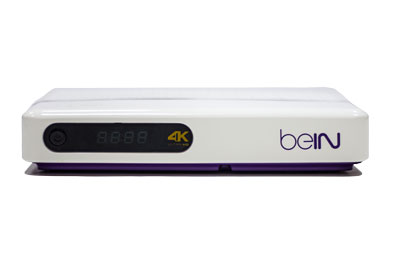
Receiver tuning plays a vital role in channel clarity and signal strength. Proper configuration can significantly reduce distortions and interference. Practical guidance allows viewers to perform these adjustments with ease.
Technical parameters such as modulation, polarization, and symbol rate can affect the quality of received signals. Understanding these elements helps users fine-tune their systems for optimal performance. This knowledge leads to more reliable and efficient setups.
Tracking new channel launches and frequency shifts is necessary to avoid missing important content. Regular updates prevent confusion and maintain smooth access to all available broadcasts. Awareness becomes a valuable asset for every viewer.
Troubleshooting common issues is much easier when supported by clear and structured instructions. Many problems can be resolved without professional assistance. Users gain confidence when they understand how to diagnose and fix simple issues.
Weather conditions and geographical differences can impact signal stability. Knowing how to compensate for these factors improves overall reception quality. Adaptation ensures that viewers enjoy stable channels in all situations.
The evolving nature of satellite broadcasting highlights the importance of continuous learning and monitoring. Staying updated ensures a better viewing experience every day.
Accessing reliable instructions for receiver configuration can significantly improve signal quality and reception stability. That’s why the information offered is designed with clarity, ensuring that users can follow essential steps effortlessly. Every guide aims to simplify technical challenges and transform them into easy solutions.
As satellite broadcasting continues to shift, staying updated becomes more valuable than ever. The platform ensures that viewers are consistently informed about new channels, changed frequencies, and vital technical updates. This structured approach enables users to tune their systems with confidence and precision.
Dish alignment and receiver tuning can be challenging, but thorough guidance allows viewers to handle these tasks without complications. Each step is outlined with simplicity to support users in achieving the strongest possible signal. This careful approach eliminates confusion and encourages more efficient satellite setup.
Understanding technical components such as symbol rate, polarization, and FEC values can enhance a user’s ability to fine-tune their equipment. Detailed explanations ensure that even complex terms become accessible and easy to apply during configuration. This empowers users to improve their reception without external help.
Regular updates on broadcasting changes equip users with essential information that keeps them ahead of any modifications. This practical advantage ensures uninterrupted access to their preferred channels, allowing them to enjoy a seamless entertainment experience.
Receiver setup and dish adjustment are essential steps in strengthening signal quality. With step-by-step instructions, users can handle these tasks efficiently. Proper configuration leads to clearer and more reliable channels.
Technical specifications such as polarization, symbol rate, and FEC values influence how a channel is received. Understanding these concepts turns tuning into a straightforward task. Users benefit from greater control over their equipment.
New channel launches and frequency changes occur frequently, making regular monitoring important. Keeping track of these updates ensures viewers never miss important broadcasts. Awareness becomes a key part of the viewing journey.
Troubleshooting guidance helps users overcome common reception problems with confidence. Simple steps can resolve weak signals, pixelation, and loss of channels. Having clear solutions makes the process stress-free.
Environmental factors such as weather and building structures can affect satellite reception. Learning how to adjust for these variables improves the overall experience. Viewers gain stable channels even in challenging conditions.
Maintenance plays an important role in keeping satellite equipment functioning properly. Regular checks and updates extend the life of receivers and dishes. This leads to more consistent and reliable performance.
With steady updates, clear guidance, and practical knowledge, viewers can enjoy a seamless satellite experience at all times.
Receiver setup and satellite configuration can greatly impact the quality of the signal, making proper instructions essential. Clear explanations allow viewers to follow the required steps with confidence, compensating for any technical challenges they may encounter. This leads to smoother tuning and better stability.
Technical factors such as symbol rates, modulation types, and polarization angles are introduced in an organized manner to help users understand their importance. Each concept is explained thoughtfully to bridge the gap between technical complexity and practical application. This structured knowledge supports viewers in achieving optimal results.
A continuous flow of updates keeps users informed about new channel launches, network removals, and modifications in satellite footprints. This provides valuable context for adjusting dish alignment and maintaining signal strength. Staying updated minimizes interruptions and ensures a high-quality viewing experience.
Freq Radar remains a comprehensive guide for anyone seeking clarity in the dynamic world of satellite broadcasting, offering dependable information and practical instructions for all levels of users.
Accessing reliable instructions for receiver configuration can significantly improve signal quality and reception stability. That’s why the information offered is designed with clarity, ensuring that users can follow essential steps effortlessly. Every guide aims to simplify technical challenges and transform them into easy solutions.
As satellite broadcasting continues to shift, staying updated becomes more valuable than ever. The platform ensures that viewers are consistently informed about new channels, changed frequencies, and vital technical updates. This structured approach enables users to tune their systems with confidence and precision.
Top Movies is a popular free-to-air satellite channel renowned for its diverse selection of international films, catering to movie enthusiasts across the Middle East and North Africa.
Broadcasting on Nilesat, the channel offers a 24/7 lineup of Hollywood blockbusters, action thrillers, comedies, horror films, and science fiction, appealing to a wide audience.
Known for its minimal commercial interruptions and high-quality film selections, Top Movies has become a favorite among viewers seeking cinematic entertainment at no cost.
This article provides the correct and latest frequencies for Top Movies on Nilesat as of June 2025, along with reception tips, receiver setup instructions, and an overview of its programming, ensuring you can tune in seamlessly to enjoy its rich movie catalog.
On the subject of Top Movies
Top Movies is a free-to-air channel that specializes in delivering a broad range of international films, primarily in English with Arabic subtitles, making it accessible to diverse audiences in the MENA region.
The channel, which has gained significant popularity since its inception, focuses on providing a cinematic experience with minimal advertisements, enhancing viewer satisfaction.
Its programming includes recent releases and classic films across genres such as drama, action, suspense, horror, and comedy, attracting both casual viewers and dedicated cinephiles.
As a free-to-air channel on Nilesat, Top Movies requires no subscription, making it an attractive option for households seeking quality entertainment.
Its ability to secure rights to popular films has cemented its reputation as a go-to channel for movie lovers in the Arab world.
Correct Frequencies for Top Movies on Nilesat
To access Top Movies, you need the accurate frequency, polarization, symbol rate, and FEC (Forward Error Correction) settings for your satellite receiver.
Below is the latest frequency for Top Movies on Nilesat as of June 2025, based on reliable sources. Since Top Movies is a free-to-air channel, no subscription or decryption is required.
Nilesat 201/Eutelsat 7 West A (7.0° West)
-
Channel: Top Movies
-
Frequency: 11678 MHz
-
Polarization: Vertical (V)
-
Symbol Speed: 27500 kS/s
-
FEC: 3/4
-
Beam: Middle East and North Africa
Additional Notes
-
Limited Satellite Availability: Top Movies is primarily broadcast on Nilesat and is not currently available on other major satellites like Arabsat Badr (26.0° East), Hotbird (13.0° East), or Intelsat 20 (68.5° East) for MENA audiences. Historical data indicates the channel has occasionally shifted frequencies on Nilesat (e.g., 10873 MHz or 10727 MHz), but these are outdated.
-
Frequency Verification: Some sources reference older frequencies like 10872.62 MHz (Vertical) or 10727.37 MHz (Horizontal), which are no longer active for Top Movies. The current frequency of 11678 MHz (Vertical) is widely reported as operational.
-
Outside MENA Region: Watchers in Europe, Asia, or the Americas may face challenges accessing Top Movies directly via satellite due to Nilesat’s limited footprint. Check with local providers for retransmission options or explore online streaming alternatives, though Top Movies does not currently offer an official streaming platform.
-
Free-to-Air Status: As an unencrypted channel, Top Movies is accessible to all viewers within Nilesat’s coverage area without a smartcard or subscription, making it a cost-effective entertainment option.
Advice for Receiving Top Movies
To ensure a stable and clear signal for Top Movies, follow these practical reception tips:
-
Antenna Size Selection: A 60-80 cm dish is sufficient for Nilesat in core MENA regions like Egypt, the UAE, or Morocco. In fringe areas (e.g., northern Europe or southern Africa), a 90-120 cm dish is recommended to capture a stronger signal.
-
Precise Antenna Alignment: Use a satellite finder tool or app (e.g., AntennaPointer or SatFinder) to align your dish accurately toward Nilesat at 7.0° West. Ensure a clear line of sight, free from obstructions like trees or buildings.
-
LNB Compatibility: Install a Universal Ku-band LNB with local oscillator frequencies of 9.75 GHz (low band) and 10.6 GHz (high band). For multi-receiver setups, use a Twin or Quad LNB with a multiswitch.
-
Transmission Quality Monitoring: Check the signal strength and quality on your receiver’s setup menu. Aim for at least 70% signal quality to avoid pixelation or signal loss, particularly during adverse weather conditions.
-
Weather Considerations: Ku-band signals can be affected by heavy rain or storms. Secure your dish to withstand wind and ensure proper installation to minimize disruptions.
Steps to Configure Top Movies on Your Receiver
Follow these steps to manually add Top Movies to your satellite receiver:
-
Entry the Configuration Menu: Using your receiver’s remote, navigate to the “Installation,” “Configuration,” or “Channel Search” menu.
-
Select Manual Search: Choose “Manual Scan” or “Manual Installation” to enter custom transponder settings.
-
Choose the Satellite: Select Nilesat 201/Eutelsat 7 West A (7.0° West) from the list.
-
Enter Transponder Details:
-
Frequency: 11678 MHz
-
Polarization: Vertical (V)
-
Symbol Speed: 27500 kS/s
-
FEC: 3/4
-
-
Initiate the Scan: Press “Scan” or “Search” to locate channels on the transponder. Top Movies should appear in the results.
-
Save the Channels: Confirm and save the scanned channels to your receiver’s channel list, typically by pressing the “OK” or “Save” button.
-
Fine-Tune the Antenna: If the signal is weak or the channel doesn’t appear, adjust the dish’s azimuth and elevation slightly while monitoring the signal meter on your receiver.
-
Test the Broadcast: Tune to Top Movies to ensure clear broadcasting. If issues persist, recheck the transponder settings or consult a professional installer.
For model-specific guidance, refer to your receiver’s user manual, as menu options may vary across brands like Strong, Humax, or Technisat.
Top Movies Highlighted broadcasts
Top Movies offers a vibrant and diverse lineup of international films, broadcasting 24/7 to cater to movie lovers of all ages. The channel’s programming is designed to minimize commercial breaks, providing an immersive viewing experience. Below are key content highlights and genres:
Trending Content
-
Action Blockbusters: Films like The Expendables and Mad Max: Fury Road, delivering high-octane thrills for action fans.
-
Horror and Suspense: Titles such as The Conjuring and Scream, appealing to viewers seeking spine-chilling entertainment.
-
Comedy Hits: Movies like The Hangover and Superbad, offering light-hearted laughs for casual viewing.
-
Science Fiction Epics: Classics like Star Wars: A New Hope and modern hits like Interstellar, captivating sci-fi enthusiasts.
-
Drama and Romance: Emotional stories like The Notebook and La La Land, resonating with audiences seeking heartfelt narratives.
Content divisions
-
Hollywood Blockbusters: Recent releases and iconic films, often subtitled in Arabic, showcasing stars like Matthew McConaughey and Jennifer Lawrence.
-
Genre Diversity: A mix of action, horror, comedy, sci-fi, and drama, ensuring content for all tastes, though some genres (e.g., horror) may require parental guidance for younger viewers.
-
Minimal Advertisements: The channel prioritizes uninterrupted viewing, with short ad breaks to maintain engagement.
-
Classic Films: Nostalgic titles like Die Hard and Jurassic Park, appealing to longtime movie fans.
-
Special Marathons: Occasional themed movie nights, such as action hero weekends or horror film festivals, enhancing the viewing experience.
Proper dish alignment and receiver tuning are vital for achieving strong and stable signals. Small adjustments can have a major impact on reception.
Technical parameters play a crucial role in tuning, and clear explanations make them accessible even to beginners. Understanding these details builds confidence.
Frequent satellite transitions require users to remain informed to avoid losing channels or experiencing interruptions. Consistent updates protect the viewing experience.
Troubleshooting common issues becomes easier when users have dependable guidance to follow. Effective solutions reduce frustration and restore stability quickly.
Maintaining satellite equipment ensures long-term performance and minimizes the likelihood of recurring problems. Regular care leads to better reliability.
Regional variations in broadcasting make it important for viewers to receive location-specific updates. Tailored information improves accuracy.
Organizing and updating channel lists becomes more efficient with correct frequency data. Users remain in full control of their setups.
With steady learning and awareness, viewers can handle satellite adjustments confidently and effectively.
Entry to accurate information ensures stronger signals, smoother viewing, and a more enjoyable entertainment experience.
Accurate tuning of dishes and receivers is crucial to achieving high-quality reception. Even minor adjustments can produce significant improvements in performance.
Technical parameters, though complex at first glance, become simpler when explained clearly. Understanding them empowers users to handle configurations with greater precision.
Satellite transitions happen frequently, making timely updates essential for keeping systems functioning correctly. Staying informed minimizes disruptions.
Troubleshooting guides provide viewers with effective solutions to the most common signal problems. Clear explanations eliminate confusion and speed up repairs.
Regular maintenance ensures that satellite equipment remains in optimal condition, reducing future issues and improving stability.
Regional variations highlight the importance of tailored frequency guidance, ensuring users receive the correct data for their area.
With the right knowledge, satellite viewing becomes a smooth, predictable, and enjoyable experience.
Understanding the technical aspects of signal alignment, receiver configuration, and parameter adjustments allows users to improve their setups with confidence. Clear guidance simplifies the process and helps reduce the trial-and-error that many encounter during tuning.
With each new change in the broadcasting landscape, having trustworthy information empowers users to adapt quickly and continue enjoying consistent, high-quality channels.
Tuning a satellite system requires attention to detail, and understanding dish alignment can significantly improve signal strength. Elevation and azimuth adjustments remain key elements in achieving optimal performance.
Technical parameters become far easier to handle when presented in a simple and practical manner. This understanding transforms confusing data into actionable steps any user can apply.
Channel transitions occur frequently across satellites, making regular updates a necessary part of keeping your system tuned correctly. Smooth viewing depends on staying informed.
Troubleshooting common issues such as pixelation or weak signals is easier when users have access to practical and accurate solutions. Knowledge reduces frustration and improves efficiency.
As broadcasting continues to develop, staying updated ensures consistent access to the channels viewers care about most.
Accurate dish alignment and receiver tuning allow users to achieve the best possible signal strength. A properly configured system enhances clarity and reduces interruptions.
Understanding key technical parameters helps viewers approach satellite adjustments with confidence. Knowledge of FEC, polarization, and modulation becomes invaluable over time.
Frequent satellite transitions require viewers to stay updated in order to keep their channel line-ups current. Information becomes the foundation of stable viewing.
Practical troubleshooting guidance helps users identify and solve common signal issues quickly. This prevents extended downtime and improves their overall experience.
Routine maintenance plays a major role in ensuring equipment longevity and reliability. Proper care leads to smoother operation.
Regional frequency differences highlight the importance of location-specific updates, tailored to each user’s needs.
Being informed allows viewers to make smarter decisions when adjusting their systems. Confidence grows with understanding.
With this approach, every viewer can enjoy a more resilient and satisfying satellite experience.
Accurate dish alignment and receiver tuning allow users to achieve the best possible signal strength. A properly configured system enhances clarity and reduces interruptions.
Understanding key technical parameters helps viewers approach satellite adjustments with confidence. Knowledge of FEC, polarization, and modulation becomes invaluable over time.
Frequent satellite transitions require viewers to stay updated in order to keep their channel line-ups current. Information becomes the foundation of stable viewing.
Practical troubleshooting guidance helps users identify and solve common signal issues quickly. This prevents extended downtime and improves their overall experience.
Routine maintenance plays a major role in ensuring equipment longevity and reliability. Proper care leads to smoother operation.
Regional frequency differences highlight the importance of location-specific updates, tailored to each user’s needs.
Being informed allows viewers to make smarter decisions when adjusting their systems. Confidence grows with understanding.
With this approach, every viewer can enjoy a more resilient and satisfying satellite experience.